A. P. J. Abdul Kalam: The Inspiring Journey of India's Missile Man
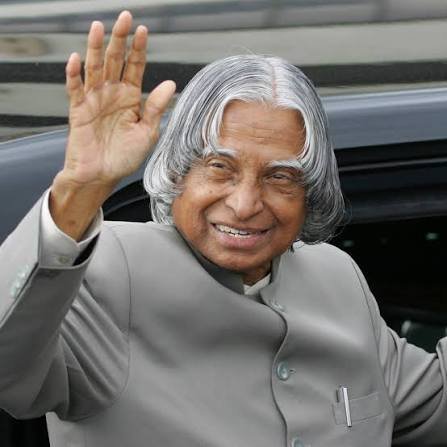
Dr. A. P. J. Abdul Kalam was much more than the 11th President of India. He was an aerospace scientist, teacher, author and a visionary who spent much of his life working for India's space and defence programmes. His journey from the small coastal town of Rameswaram in Tamil Nadu to Rashtrapati Bhavan is one of the most inspiring stories in modern Indian history.He was born on 15 October 1931 and passed away on 27 July 2015. During his lifetime, he became one of India's best-known scientists and later served as the 11th President of India from 2002 to 2007.What makes Kalam's story special is not only his achievements but also the way he lived. He remained closely connected with students, education and scientific thinking even after reaching the highest constitutional office of the country.
Early Life: Where His Journey Began
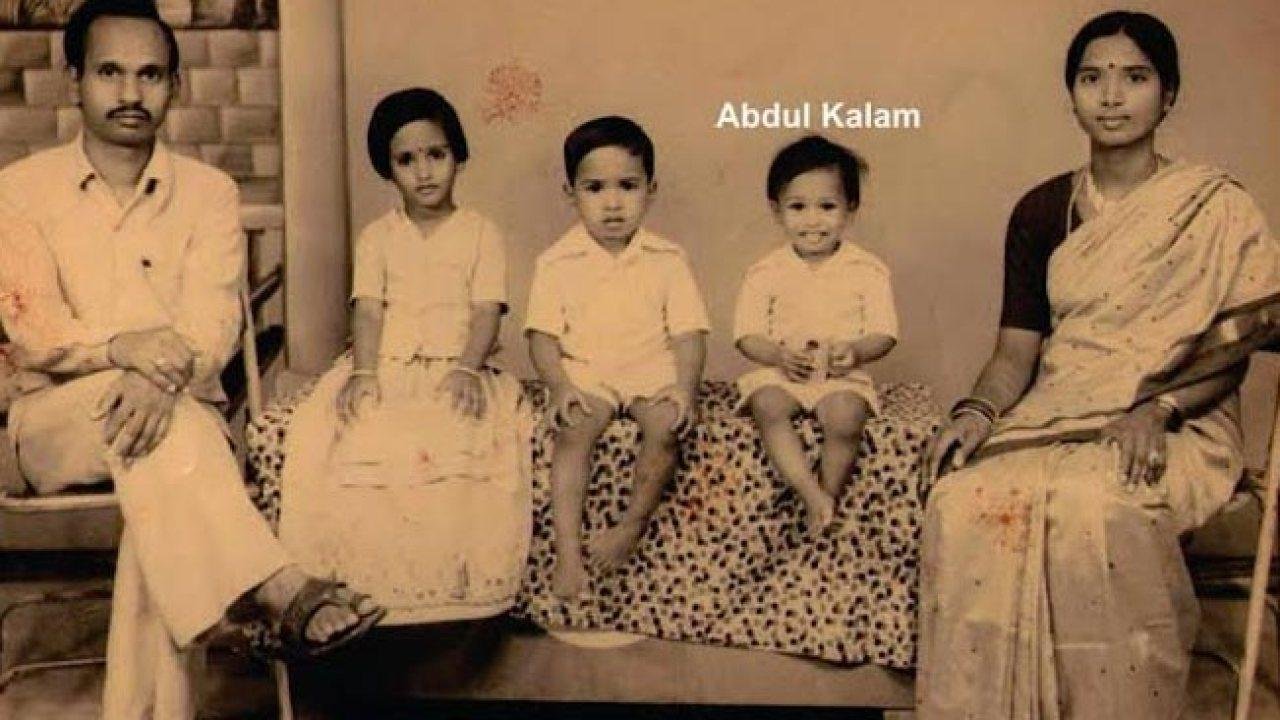
Abdul Kalam was born in Rameswaram, Tamil Nadu, on 15 October 1931. His full name was Avul Pakir Jainulabdeen Abdul Kalam.He came from a modest family. His father, Jainulabdeen, was associated with the local community and worked as a boat owner and imam of a local mosque. His mother, Ashiamma, was a homemaker.Kalam's childhood was not one of luxury. Instead, he grew up in an environment where discipline, simplicity, faith, hard work and learning were important parts of everyday life.His early circumstances taught him an important lesson: a person's starting point does not decide the final destination.
Education: The Foundation of His Dreams
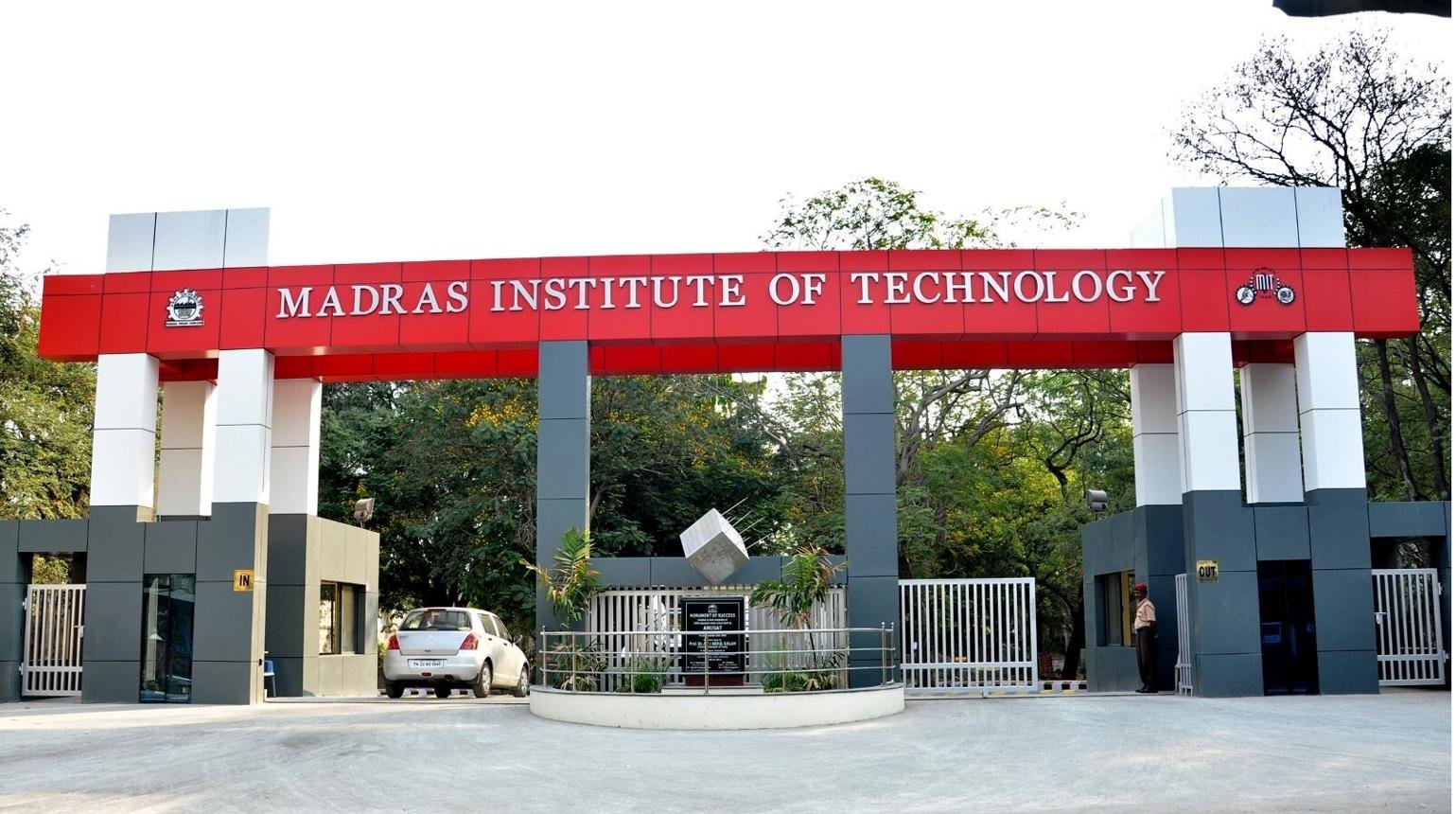
From his childhood, Kalam developed a strong interest in mathematics and science. He was a hardworking student who understood that education could change his future.He studied at Schwartz Higher Secondary School in Ramanathapuram and later attended St. Joseph's College, Tiruchirappalli, where he studied physics.His interest gradually moved towards aviation and aerospace technology. He later studied aeronautical engineering at the Madras Institute of Technology (MIT).During his education, he faced financial difficulties, but he continued working towards his goal.His engineering education became the foundation for the scientific career that followed.
Beginning of His Scientific Career
After completing his education, Kalam entered the field of aerospace and defence research.He initially joined the Defence Research and Development Organisation (DRDO). His early work involved aircraft and aerospace-related projects.Although the beginning of his career was not exactly what he had imagined, it gave him valuable experience in engineering and technology.Soon, a major opportunity came that changed the direction of his professional life.


Kalam and ISRO: India's Space Journey
Kalam became associated with the Indian Space Research Organisation (ISRO) and played an important role in India's developing space programme.He eventually became the Project Director of India's Satellite Launch Vehicle programme, SLV-III.The programme achieved a major milestone in July 1980, when the SLV-III successfully placed the Rohini satellite into near-Earth orbit. This achievement marked an important stage in India's development of indigenous space-launch capability.This was one of the defining achievements of Kalam's scientific career.
Why SLV-III
SLV Was Important Before such achievements, India was still developing many of the technologies required for independent space launches.The success of SLV-III demonstrated that Indian scientists and engineers could develop sophisticated launch technology within the country. Key AchievementKalam played a major role in the development of India's indigenous Satellite Launch Vehicle programme.

Kalam and DRDO: The Missile Programme
After his important work in India's space programme, Kalam returned to DRDO and became closely associated with India's missile development efforts.He played a leading role in the Integrated Guided Missile Development Programme (IGMDP).The programme focused on developing indigenous missile technologies and strengthening India's defence capabilities.Kalam's association with missile development eventually earned him the popular title: “Missile Man of India”The DRDO describes his contribution to India's missile programme as one of the major reasons he became popularly known by this name.His work included major missile projects such as Agni and Prithvi.
Why He Became Known as the Missile Man
The title was connected to his leadership and contribution to India's indigenous guided missile development programme.However, Kalam's contribution was not limited to missiles. His career covered space technology, aerospace engineering, defence research, education and national development.
Awards and National Recognition
Kalam's contribution to science and public life brought him several major national honours.Among the most important recognitions associated with him were:Padma Bhushan – 1981Padma Vibhushan – 1990Bharat Ratna – 1997The Bharat Ratna, India's highest civilian award, recognised his exceptional contribution to the nation.His recognition was unusual because he was celebrated not only as a scientist but also as a person who connected strongly with ordinary citizens and young people.

Dr. Kalam as the President of India
In 2002, A. P. J. Abdul Kalam became the 11th President of India.He took office on 25 July 2002 and served until 25 July 2007.His presidency was different in one important way: he maintained a strong connection with students and young people.Instead of allowing the office to create distance between himself and the public, Kalam frequently interacted with students, teachers and young citizens.This helped create the image of Kalam as the “People's President.” DRDO also uses this description in remembering his public life. His Message to Young PeopleKalam believed that the youth of India could play a central role in building the nation's future.He encouraged students to:Dream bigGain knowledgeDevelop scientific thinkingWork hardRemain disciplinedThink creativelyContribute to societyFor him, young people were not simply the future of India—they were also an important part of India's present.